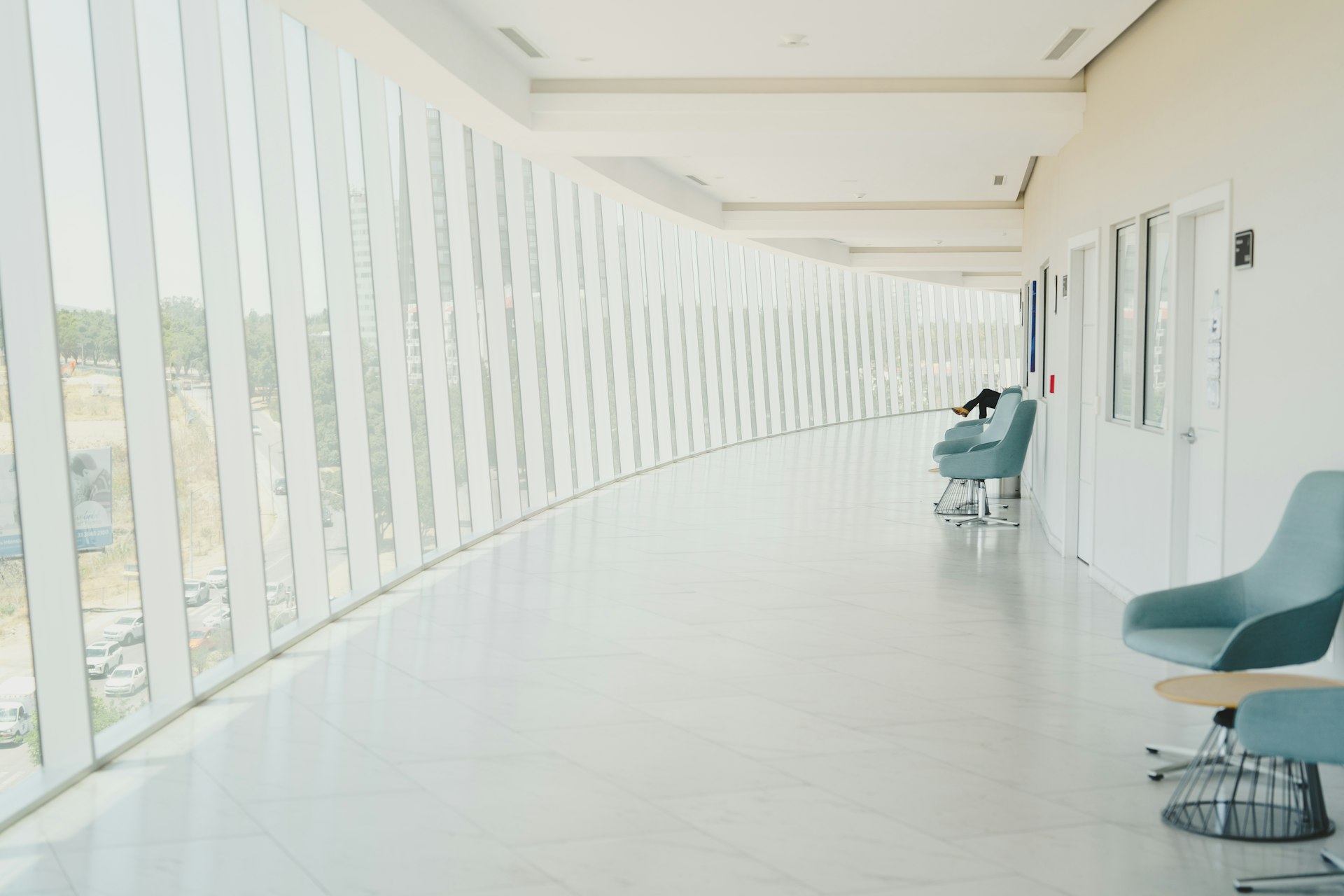


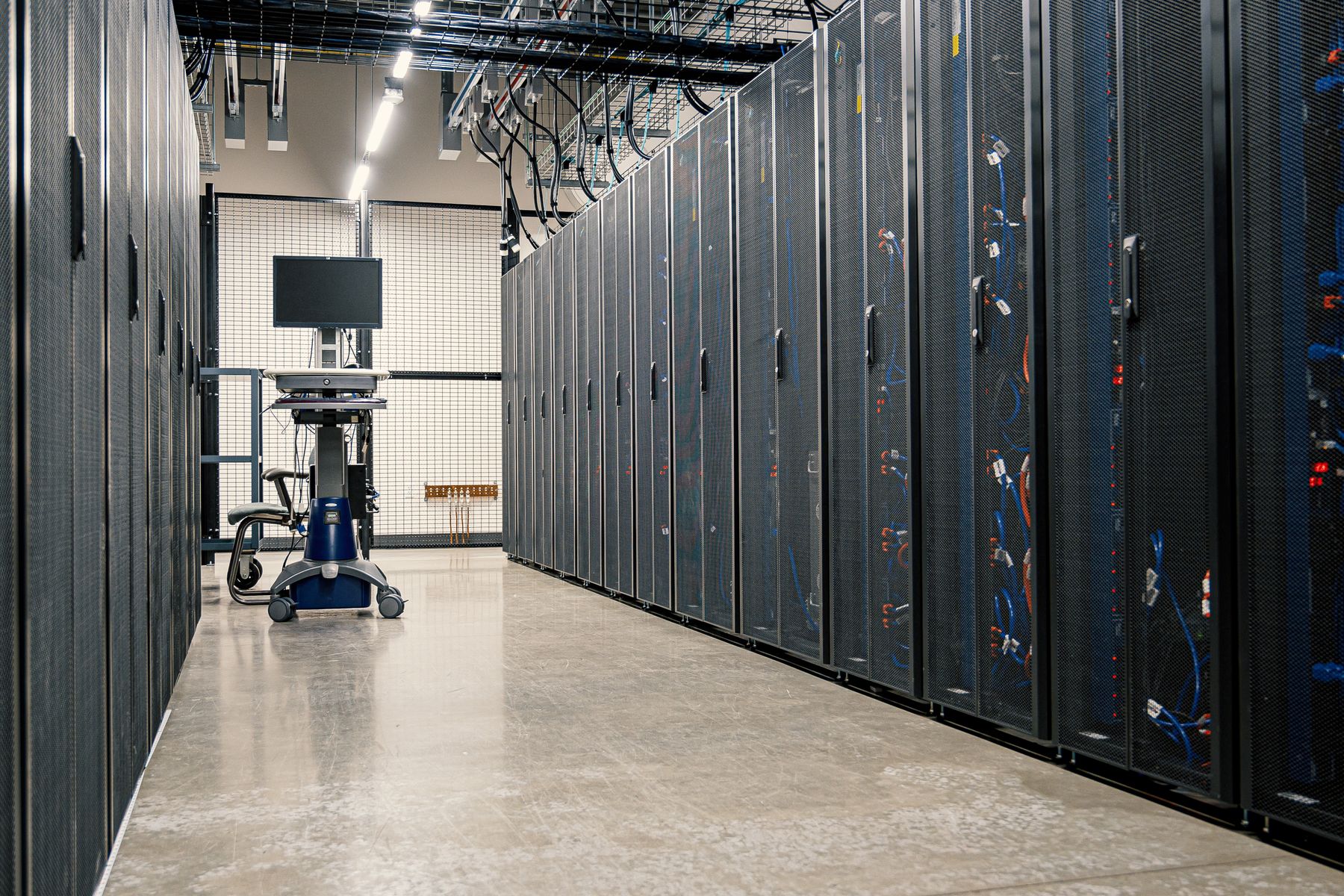
Systems that start up on day one.
Mechanical, electrical, fire protection, controls, structured cabling, networks and AV planned as one system, built by one team and proven through commissioning before you move in. From a conference room to a full data hall, the people who build the room also wire, rack and test what goes in it.
Why it matters.
Systems carry the budget
MEP, fire protection and technology often make up the largest share of a building’s cost, and they drive the longest equipment lead times on the job.
Technology is now infrastructure
Badge readers, cameras, wireless coverage, AV and the network behind them are how people use a building every day. Treated as an afterthought, they arrive late, get cut into finished walls and delay move-in.
Turnover is where it shows
A building that cannot hold temperature, pass its fire alarm test or reach its own network is not ready, no matter how good the finishes look.
How we work.

- 01
Design-assist from the start
Our systems leads join the design team early to right-size equipment, set riser and shaft locations and lock in long-lead gear like switchgear, chillers and generators.
- 02
Coordinated in the model
Every trade models its work in a shared 3D environment. We run clash detection by floor and zone and sign off the ceiling space before anyone hangs a support.
- 03
Prefabricated where it pays
Corridor racks, headwall assemblies, pump skids and electrical rooms are built off site under cover, then set in place with fewer hands and fewer hours on the deck.
- 04
Technology built by the builder
Structured cabling, networks, AV, access control, cameras and building automation are scoped, sequenced and tested as core work, not handed to a separate contractor in the last month. In data halls, our team stacks and racks equipment, dresses and labels the cabling and certifies every run.
- 05
Commissioning built into the schedule
Pre-functional checklists, start-up, functional testing and integrated systems tests are planned into the critical path, with the commissioning agent involved from design review.
What you receive.
Every engagement is scoped to the project. These are the core outputs owners can expect.
A signed-off, trade-coordinated model by floor and zone, used for layout, fabrication and as-built records.
Submittal, release, fabrication and delivery dates for every major piece of equipment, tied to the master schedule.
Certification results for every cable run, plus network, AV and security device tests tied to room and rack locations.
Completed checklists, test reports, balancing reports and the integrated systems test results.
Every sensor, alarm and setpoint, verified end to end and handed to your operators.
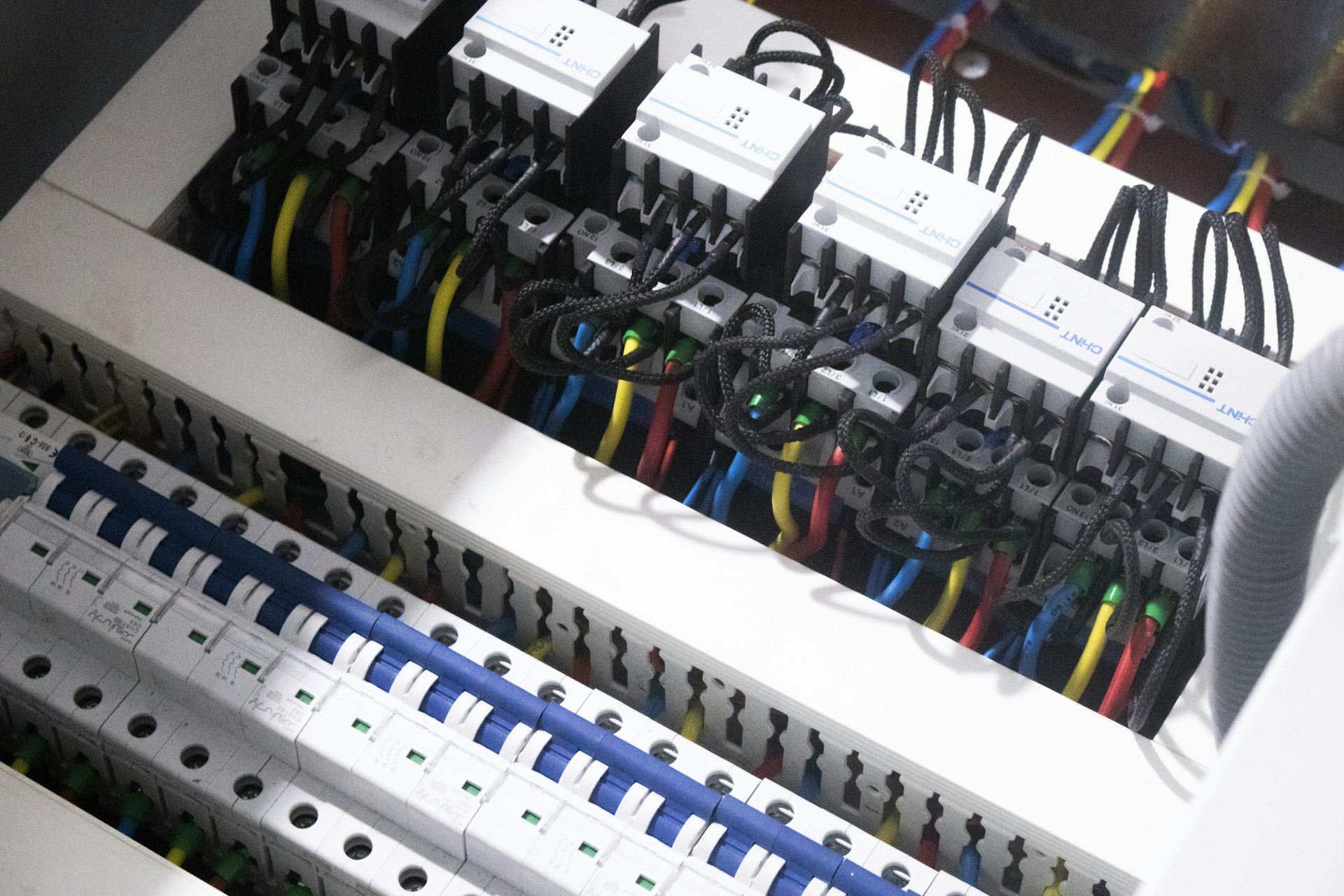
A grid control room that never loses power.
The people who run the grid needed a building that would stay up when the grid did not. We built the control room, its server and network rooms and the video wall, pulled and certified the structured cabling, stacked and racked the operations equipment, and tied it all to an on-site microgrid of solar, batteries and backup generation. Then we ran integrated tests that dropped utility power and watched the microgrid, UPS and cooling carry the load without a screen flickering. Only then did the operators move in, in 2022.
- 6 MW
- Microgrid capacity
- 1
- Team for building, network and power
- 2022
- Operators moved in


Questions owners ask us.
Can you build data halls and technology systems, not just MEP?
Yes. Data halls, server racking, structured cabling, AV and building networks are core Tum Harry work, and they are where our leadership built its career. The team that builds the room also cables, racks and tests what goes in it, so there is one schedule and one point of accountability.
Do you self-perform building systems work?
We self-perform where it gives the owner the most control and partner with specialty trades for the rest. Either way, one Tum Harry systems lead owns coordination, schedule and commissioning.
How early should the systems team be involved?
During schematic design. That is when equipment sizes, shaft locations and electrical service are set, and when long-lead orders need to be planned.
Who handles commissioning?
We plan and run the contractor side of commissioning and work alongside your commissioning agent, whether you hire them directly or through us.
Can you upgrade systems in an occupied building?
Yes. We phase shutdowns, set up temporary power and cooling where needed and schedule tie-ins for nights and weekends so the building keeps running.
Talk to the people who will build it.
Share the project, the site and the date that matters. A senior builder will come back to you within one business day.